Thin Porcelain Panels: Global Demand and Healthcare/Office Application Trends
Porcelain Wall Panel
Time:2025-10-13
Operating rooms & procedure suites
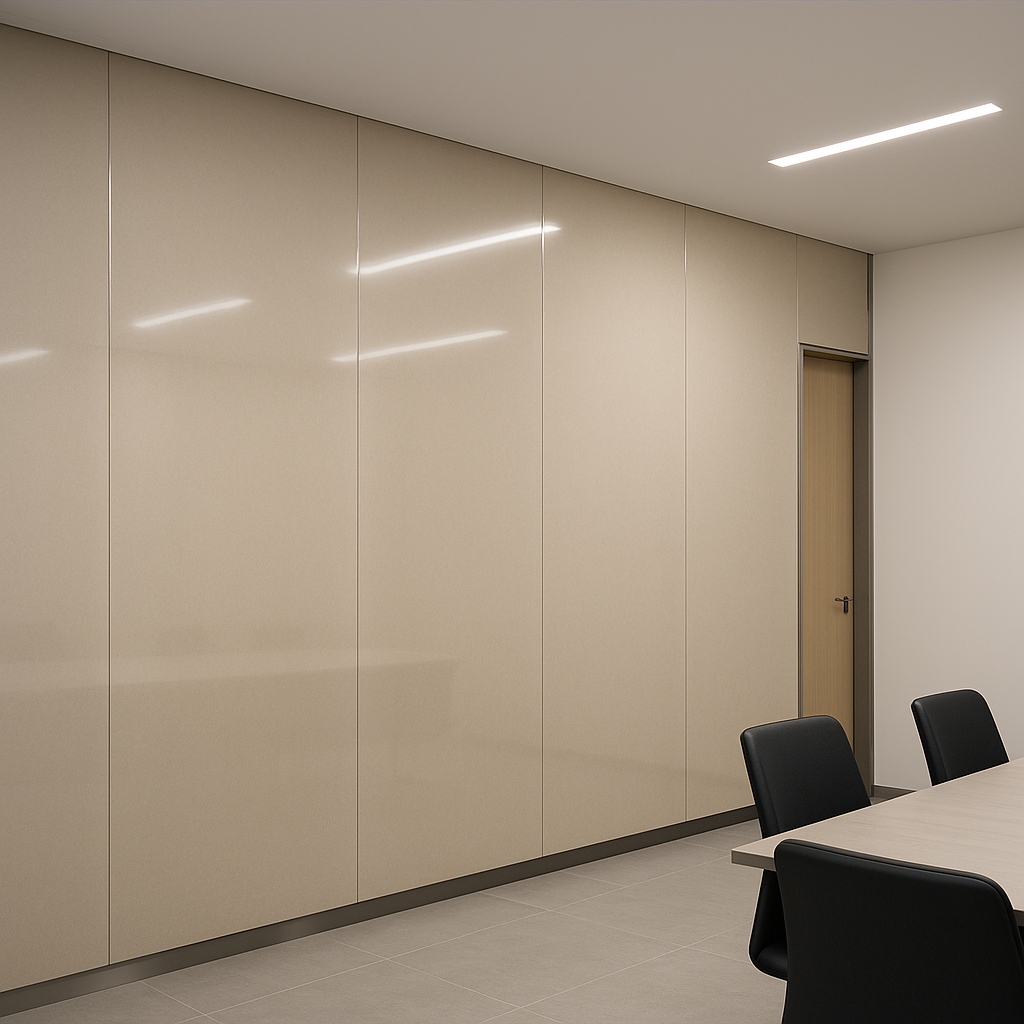
Seam-minimized wall finishes help reduce dirt traps and withstand frequent wipe-downs. Stainless L-trims protect external corners; satin or low-gloss finishes limit glare under surgical lighting.
1.Global demand is accelerating Industry research shows that global demand for porcelain tiles and large slabs is growing at an annual rate of 5.7%, reaching 9.1 billion m² by 2026, with an estimated market value of US$133 billion. The primary growth engines are Asia–Pacific and the Middle East & Africa, where construction activity and appetite for high-end interior finishes continue to rise. Thin, large-format porcelain panels have therefore attracted sustained attention in international architectural interiors.
2.Where they are being used Adoption is notably increasing across hospitals and office buildings (as well as other large commercial and public projects). These environments value materials that deliver a modern, seamless aesthetic while meeting stringent performance and maintenance requirements.
3.Hygiene and durability match healthcare needs Healthcare facilities impose strict infection-control standards for interior wall materials: surfaces must be easy to clean, resistant to mold and bacteria, and tolerant of chemical disinfectants. As an inorganic material with a dense, smooth surface, thin porcelain panels do not support microbial growth, clean quickly, and withstand strong agents such as hydrogen-peroxide-based disinfectants. These attributes align closely with the day-to-day demands of clinical spaces.
4.Fewer joints, lower risk Large-format slabs dramatically reduce the number of joints compared with small tiles. With fewer grout lines, there are fewer places for dirt and pathogens to accumulate, which supports hygiene protocols and simplifies routine maintenance.
5.Recognized by industry bodies and in real projects The International Masonry Institute (IMI) notes that today’s large-format porcelain panels can be used as near-monolithic wall finishes in hospitals, helping speed installation and providing durable, long-lasting surfaces. In the United States, several hospitals have already adopted large porcelain panels for operating rooms and patient areas, where they withstand UV and hydrogen-peroxide disinfection without surface damage.
6.Beyond healthcare: offices and other public interiors Office lobbies and other high-traffic interiors are also turning to thin porcelain panels for their premium look, light weight, and compatibility with rapid renovation, often allowing direct installation over existing substrates to shorten schedules while achieving a seamless, contemporary finish.