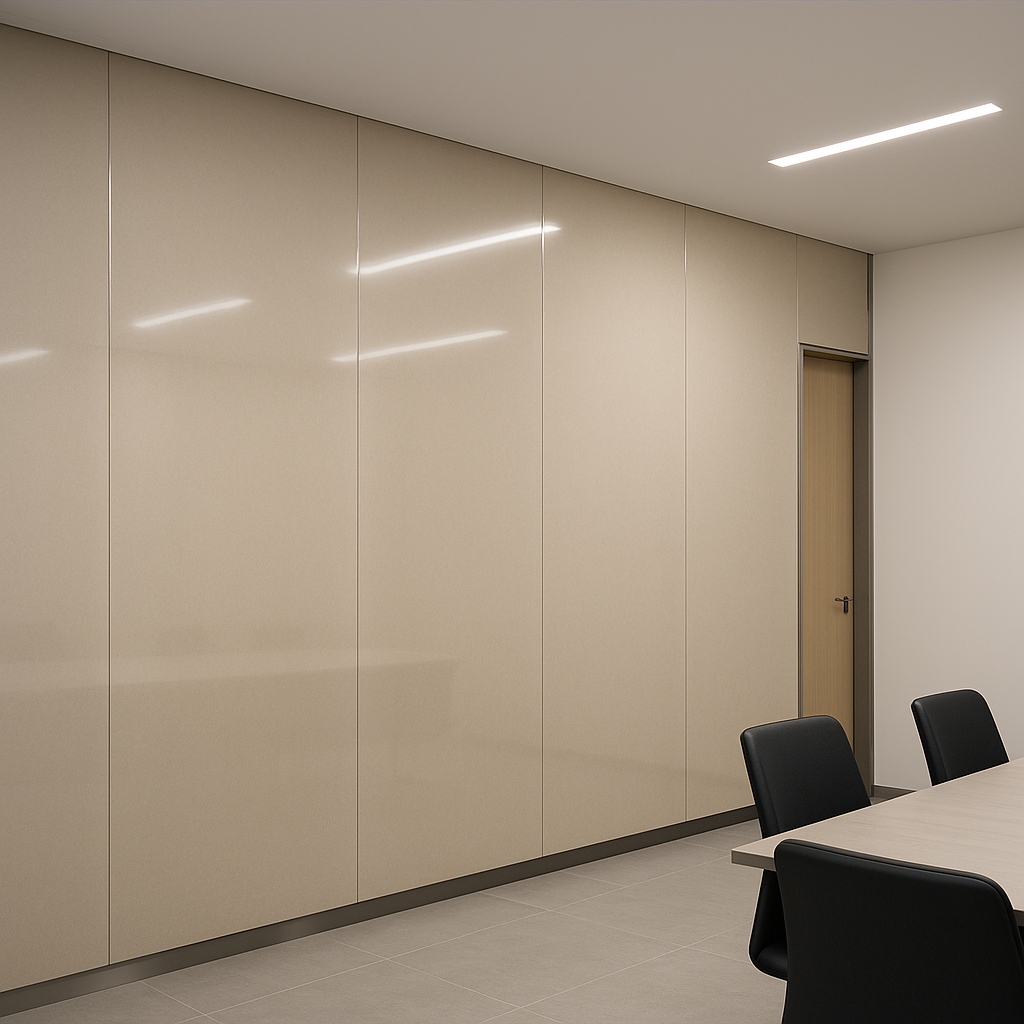
Why Architects Prefer 6 mm Porcelain Wall Panels for Hospitals
Executive summary (for busy specifiers):
- Hygiene first: Large‑format, low‑seam surfaces make routine disinfection faster and more reliable.
- Faster projects: Lightweight 6 mm panels can go over sound substrates, cutting demolition and dust—often up to 30% quicker than traditional tile work.
- Whole‑life value: Non‑combustible, scratch‑ and chemical‑resistant porcelain lowers maintenance and replacement costs.
Site line for banners/CTAs:
Our 6 mm panels reduce installation time by 30% compared with ceramic tiles.
What Are 6 mm Porcelain Wall Panels?
6 mm porcelain wall panels are thin, large‑format porcelain slabs engineered for vertical applications. Compared with conventional tiles, they offer:
- Bigger piece sizes (typically up to ~1.2 × 2.6 m or more depending on manufacturer), meaning fewer joints.
- Lower weight per square meter, easing handling and enabling direct‑bond installation over suitable existing surfaces.
- Porcelain performance: very low water absorption (typically<0.5%), high surface hardness, and excellent chemical resistance.
1) Hygiene & Infection‑Control Advantages
- Minimal joints, minimal harborage: Fewer grout lines reduce places where bioburden can accumulate.
- Disinfectant‑ready: Porcelain surfaces tolerate routine hospital cleaners (alcohol, quaternary compounds, chlorine‑based agents) without color fading when used as directed.
- Non‑porous & stain‑resistant: Low water absorption helps resist staining from common hospital contaminants.
- Cleanability: Smooth surfaces simplify wipe‑downs and enable rapid room turnovers.
Where this matters most: patient rooms, corridors, nurses’ stations, ICU headwalls, treatment spaces, lobbies, public washrooms, and food service areas. (Surgical suites may require additional seamless or specialty systems—always follow local code and project infection‑control protocols.)
2) Faster Hospital Renovations (and Less Disruption)
- Over‑clad instead of demolish: 6 mm panels are often installed over sound tile, cement board, or prepared drywall—cutting demolition, noise, dust, and waste.
- Large format = fewer steps: Bigger pieces reduce layout and grouting time.
- Lean logistics: Lower weight per panel eases handling in active facilities.
Time & cost example:
If labor is $25/m² and a 1,000 m² scope is 30% faster, the saved labor value is:
- Baseline labor: 1,000 × $25 = $25,000
- 30% saved = $7,500 labor reduction
Plus, shorter schedules mean fewer night shifts and less downtime for clinical areas.
3) Durability & Lifecycle Value
- Surface hardness: Porcelain resists scratches from equipment carts better than many polymeric finishes.
- Impact performance: When properly bonded to a flat, stable substrate, panels manage routine corridor traffic; add crash rails in high‑impact zones.
- Chemical & UV stability: Color and finish remain stable under cleaning regimes and ambient light.
- Non‑combustible: Porcelain does not contribute fuel in a fire and supports healthcare fire‑safety strategies.
- Long service life: High durability reduces replacement frequency and keeps TCO low.
4) Design Flexibility
- Consistent aesthetics across large walls: Fewer seams support modern, calming interiors.
- Finishes & looks: Stone, concrete, solid colors, or soft patterns help with wayfinding and department identity.
- Edge options: Mitered corners, metal trims, or color‑matched profiles create clean details.
5) Retrofit‑Friendly Installation (High‑Level)
Always follow manufacturer instructions and local codes.
- Assess substrate: Ensure solid, dry, plumb, dust‑free surfaces; remedy hollow tiles or loose paint.
- Layout & dry‑fit: Plan panel joints, cutouts, and datum lines to minimize small slivers.
- Adhesive selection: Use a high‑performance polymer‑modified thinset or approved panel adhesive; maintain specified open time.
- Bonding: Back‑butter as required; set with suction cups and beating block to ensure full contact.
- Joints: Typical 2–3 mm; use epoxy grout or color‑matched hygienic sealant in wet zones.
- Protection: Install crash rails/guards where gurneys and carts pass frequently.
- Handover & maintenance: Provide cleaning guide (neutral detergents, no abrasive pads).
6) Where 6 mm Porcelain Panels Outperform Alternatives
| Criterion | 6 mm Porcelain Panels | Conventional Ceramic Tile | HPL/PVC Wall Cladding | FRP Panels |
|---|---|---|---|---|
| Joints per m² | Very few | Many | Few | Few |
| Cleanability | Excellent | Good (grout maintenance) | Good | Fair–Good |
| Chemical resistance | Excellent | Excellent | Varies | Varies |
| Fire behavior | Non‑combustible | Non‑combustible | Typically combustible | Typically combustible |
| Install speed (retrofit) | Fast (over‑clad) | Slower (demolition often needed) | Fast | Fast |
| Impact resistance | High (with proper substrate) | High | Moderate | Moderate |
| Aesthetics (premium finishes) | High | High | Moderate | Moderate |
Specification Checklist (Copy into your spec notes)
- Product: 6 mm large‑format porcelain wall panels for interior hospital walls.
- Substrate: New cement board/Level‑5 drywall or sound existing tile; surface flatness per manufacturer tolerance.
- Adhesive: High‑performance polymer‑modified thinset / approved panel adhesive; full‑coverage bonding.
- Joints: 2–3 mm; epoxy grout or hygienic silicone as scheduled.
- Corners/edges: Mitered edges with epoxy fill or anodized/aluminum trim.
- Accessories: Crash rails, corner guards in high‑traffic areas.
- Cleaning: Neutral cleaner; disinfectants per hospital protocol; no abrasive pads.
- Warranty & samples: Submit color range and mock‑up for approval.
FAQs
Q1. Will 6 mm panels crack because they’re thin?
Not when installed correctly over a flat, stable substrate with full‑coverage bonding and movement joints where required. Use protection rails in cart zones.
Q2. Can we install over old tile?
Yes—if the existing tile is sound, clean, and plumb. Replace hollow tiles, skim as needed, then bond panels with an approved adhesive.
Q3. How do we finish corners and door returns?
Use mitered corners with epoxy, or metal trims/profiles for a clean, hygienic detail.
Q4. What about fire safety?
Porcelain is non‑combustible and supports healthcare fire‑safety goals. Always coordinate with local codes and the fire consultant.
Q5. What cleaning chemicals are acceptable?
Most hospital disinfectants (alcohol, quats, chlorine solutions) are suitable when used per label directions. Avoid abrasive pads that can dull the surface.
Q6. What thickness should we specify on floors?
This article covers walls. For flooring, use thicker panels (e.g., 9–12 mm) per structural and traffic requirements.